
When an ALTA Survey Report Needs Updated Site Information
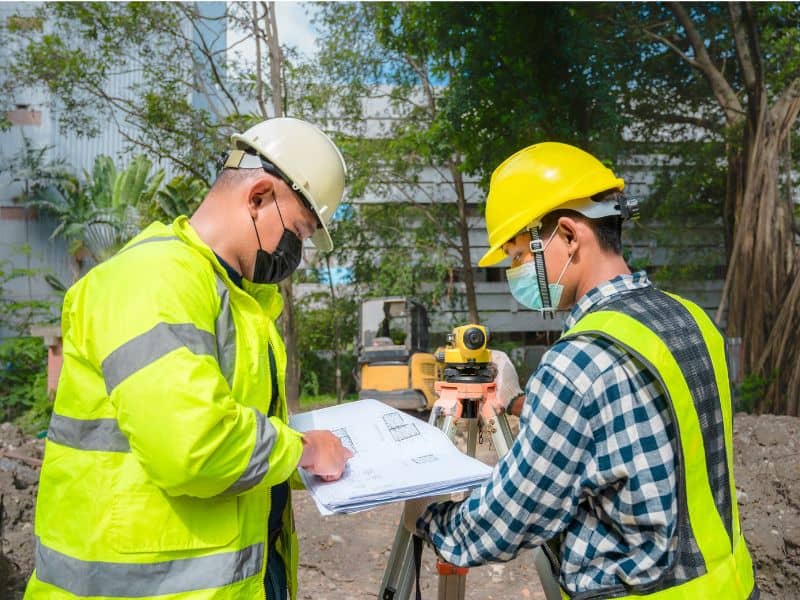
Plenty of commercial deals start with someone pulling an ALTA survey out of a file drawer. It looks official, it carries a surveyor’s seal, and it covers the right property. The problem is that it shows the site as it was on the day of field work, which may have been years and several site changes ago.
An ALTA survey report is a detailed land title survey prepared under standards from the American Land Title Association and the National Society of Professional Surveyors. It maps boundaries, buildings, easements, and other recorded matters, then ties them to a title commitment. If the site, the title, or the parties have changed since that survey was done, you’ll likely need updated information before a sale, refinance, or new project can move forward.
What Makes Existing ALTA Survey Information Outdated
An ALTA survey becomes outdated when it no longer matches the property, the title records, or the people relying on it. Age is part of it, but change is the bigger factor. A five-year-old survey of an untouched lot may hold up better than a one-year-old survey of a site that just got a new parking area.
Certification also matters. An ALTA survey is certified to specific parties, such as a buyer, lender, and title company. A new buyer or lender usually isn’t covered by a certification made to someone else, so they’ll often ask for an updated survey certified to them.
Each lender and title company sets its own rules on how recent a survey must be. Some accept an older survey with an affidavit stating nothing has changed. Others want new field work no matter what, so ask both parties early in the process.
Site Changes That May Require New Fieldwork
Physical changes are the most common reason a surveyor goes back to the field. Anything built, removed, or moved since the last survey can affect what the ALTA survey report should show. Even small work can matter if it sits near a property line or easement.
Watch for changes like these:
- New buildings, additions, canopies, or covered walkways
- Parking lot expansions, new drives, or restriped spaces
- Fences, retaining walls, dumpster pads, or sign structures
- New utility lines, transformers, or stormwater features
- Demolished structures or removed paving
- Road widening or new right-of-way along the frontage
Neighbors can change things too. A new fence or building next door could now cross your line, or your own improvements could now crowd theirs. Only new field work can show whether a fresh encroachment exists.
How Updated Improvements Affect the ALTA Survey Report
Improvements are the man-made features on a property, such as buildings, paving, curbs, and utilities. When improvements change, the ALTA survey drawing has to change with them. The surveyor locates the new features and shows how they sit relative to the boundaries, setbacks, and easements.
This is where hidden issues tend to show up. A parking expansion might extend into a utility easement. A new sign might sit inside the road right-of-way. A small addition might move a building closer to a setback line than the zoning rules allow.
Optional survey items can need updates too. The ALTA standards include a list called Table A, which lets clients add items like building square footage, parking counts, and zoning details. If those numbers changed, the old figures can mislead a lender or buyer reviewing the deal.
Coordinating Current Title and Site Information
An ALTA survey report only works when it matches the current title commitment. The title commitment lists the recorded documents that affect the property, such as easements, covenants, and access agreements. The surveyor reviews these and shows the ones that can be mapped.
New documents get recorded all the time. A utility company may have recorded a new easement, or the owner may have signed a shared access agreement with a neighbor. If the old survey was based on an older title commitment, those newer documents won’t appear on it.
Send the surveyor the latest title commitment and copies of every listed exception document. Then ask the surveyor to compare them against the field findings. When the title and survey line up, the title company can more easily decide which survey-related exceptions it can remove from the policy.
When Updated Survey Data Supports Due Diligence
Due diligence is the review period before closing when a buyer or lender checks the property for problems. Updated survey data gives that review a current, reliable picture. It helps everyone make decisions based on the site as it is today.
Situations Where an Update Often Makes Sense
An update often makes sense before a sale, a refinance, or a new loan. It also helps before a property expansion or redevelopment, since designers need accurate current conditions. Property owners who plan to split a parcel or sell one building on a larger site may need fresh data as well.
Timing matters a lot. Due diligence windows can be short, and updated field work still takes time to schedule and complete. Confirm survey needs with your lender, title company, and attorney as soon as a deal or project starts.
Some owners treat an update as a formality. That’s a mistake. A current survey can catch an encroachment, a missing easement, or a zoning conflict while there’s still time to fix it or renegotiate.
Frequently Asked Questions
How long is an ALTA survey report valid?
There’s no single expiration date that applies everywhere. Each lender and title company sets its own rules on how recent a survey must be. Some accept an older survey with a no-change affidavit, and others want new field work. Ask both parties early so you know what they’ll accept.
Can an existing ALTA survey be updated instead of starting over?
Often, yes. The surveyor can review the prior survey, check the current title commitment, and perform new field work to capture changes. This can save time compared to a brand-new survey, depending on the site. Ask whether the original surveyor or a new firm is the better fit for the update.
Do I need an updated survey if nothing has changed on the site?
You may still need one if the buyer, lender, or title company is new. ALTA surveys are certified to specific parties, and new parties usually want their own certification. Recorded documents may also have changed even when the ground hasn’t. Check with your lender and title company before assuming the old survey will work.
What site changes most often trigger new field work?
New buildings, additions, and paving changes are common triggers. New fences, walls, utility features, and signs can also matter. Road work that changes the frontage or right-of-way often calls for updated data. Changes on neighboring property can create new encroachment questions as well.
Who should I talk to before ordering an ALTA survey update?
Start with your lender and title company, since they often set the survey requirements. Your attorney can help review title documents and any problems the survey finds. The surveyor can then confirm scope, Table A items, and timing. Getting everyone aligned early helps avoid delays near closing.