
Why a Closing Survey Still Matters Even When the Title Looks Clean
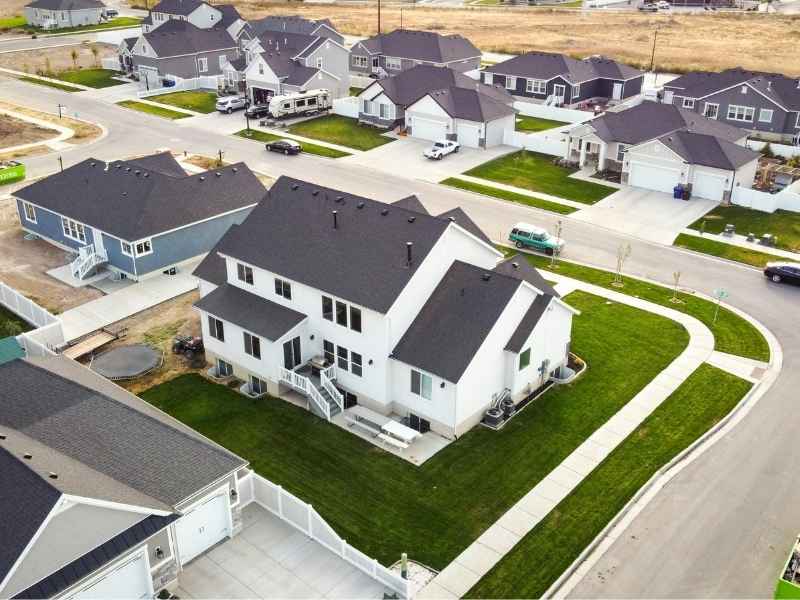
A clean title report feels like good news, and often it is. But a clean title only tells you the legal ownership history is clear. It does not tell you if a fence sits on the wrong side of the line or if a shed encroaches on the neighbor’s lot. A closing survey fills that gap, and skipping it can lead to problems that surface long after the deal is done.
Where new subdivisions sit close to older, established neighborhoods, this gap between paperwork and physical reality shows up more often than buyers expect. Here is why a closing survey still earns its place in the process, even when the title looks perfect on paper.
Why a Clean Title Does Not Describe Every Site Condition
A title search checks legal ownership, liens and recorded claims against a property. It confirms who has the right to sell and whether anything clouds that ownership. What it does not do is describe the physical condition of the land itself.
A title report will not tell you that a driveway crosses onto the neighboring lot. It will not flag a fence built five feet inside the actual property line. These are physical conditions, not ownership issues, and they require a different tool to uncover.
A closing survey, sometimes called a survey performed at or near the close of a sale, measures the property and compares it against recorded boundaries. It shows what is actually on the ground, not just what the paperwork says should be there.
Comparing Recorded Property Information With Field Measurements
A closing survey starts with the legal description from the deed and recorded plat. The surveyor then measures the property in the field and compares those measurements against the recorded information.
This often uncovers small differences that matter more than they seem. A property line that shifted slightly due to an old survey error. A lot size that does not quite match what was recorded decades ago. A boundary marker that was moved or lost over time.
In parts of Alabaster with older platted subdivisions, these gaps between paper and field conditions are more common than in newer developments with modern survey records. A closing survey catches these differences before they become the buyer’s problem instead of the seller’s.
If your survey finds a discrepancy, do not assume it will delay or derail your purchase. Ask your title company, lender or attorney how significant the finding is and whether it needs to be addressed before closing.
Locating Improvements in Relation to Property Boundaries
An improvement is any structure or addition to a property, such as a house, garage, fence, deck or shed. A closing survey locates these improvements and shows exactly how they sit compared to the recorded property lines.
This matters because improvements do not always respect boundaries. A fence installed years ago by a previous owner might extend onto a neighboring lot. A shed might sit closer to the property line than local setback rules allow.
A closing survey typically identifies:
- Structures that cross or come close to a boundary line
- Fences that do not match the recorded property line
- Additions, like decks or carports, that may violate setback requirements
- Shared driveways or walkways that touch more than one lot
Setback and zoning rules can vary by municipality, so confirm current requirements with the city of Alabaster or Shelby County before assuming an improvement is compliant.
Identifying Physical Conditions Worth Reviewing Before Closing
Beyond boundaries and structures, a closing survey can flag physical site conditions that are worth a second look before you finalize a purchase. These conditions are not always visible during a normal walkthrough.
A surveyor may note:
- Drainage paths that cross the property in ways that could affect grading or landscaping
- Visible signs of erosion near slopes or creek banks
- Utility lines or easements that limit where you can build in the future
- Access points that do not match what you expected based on the listing
Shelby County has areas with rolling terrain and properties near creeks or floodplains, which makes drainage and grading conditions worth reviewing closely. A closing survey will not replace a full engineering study, but it can point out conditions that deserve a closer look from a qualified professional.
Using the Closing Survey for Future Property Decisions
A closing survey is not just a one-time checkbox before you sign. It becomes a useful reference document for decisions you make on the property later.
Planning a fence, a pool or an addition down the road? The survey gives you a documented starting point for where your property lines actually sit. Considering a future sale? Having a recent survey on file can simplify that process for the next buyer, too.
Keep a copy of your closing survey with your other property records. If you make changes to the property later, such as installing a new fence or building a structure, ask your local building department whether a new or updated survey is needed to support your permit application, since requirements can vary by project and jurisdiction.
Frequently Asked Questions
Is a closing survey required to buy a home?
It depends on the lender, title company and type of transaction. Some lenders require a survey, others do not. Ask your title company early in the process to confirm what your specific deal requires.
What is the difference between a title search and a closing survey?
A title search checks legal ownership and recorded claims. A closing survey measures the physical property and compares it to recorded boundaries. Both serve different purposes and are often used together.
What happens if the survey finds a fence on the wrong side of the line?
This does not automatically stop a sale. Your title company, lender and attorney can advise on next steps, which may range from a simple disclosure to a more involved resolution between property owners.